


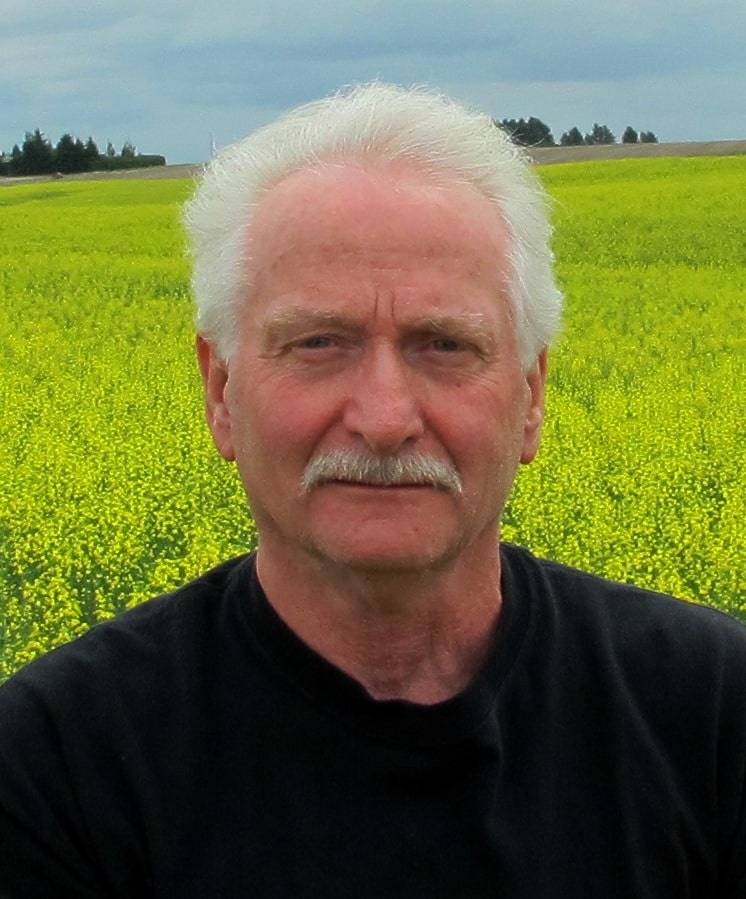
In my encore work, I investigate the adverse impacts on human and environmental health that result from the disposal of toxic sewage sludge from wastewater treatment plants. Estimates suggest that about 17-million tons of sewage sludge are disposed of in our forests and on our farms each year, with little information available on the kinds and amounts of toxins that are assimilated into our food crops or that enter our precious waters.
Having worked for decades in the fields of cancer clinical trials and the development of new agents for the treatment of infectious diseases, we know that nearly all chronic diseases result from the cumulative effects of long-term exposure to environmental contaminants and pollutants.
The objective of my encore work is public education, revealing that the impact of exposure to sludge-borne toxins is a strong contributing factor to the increase in our morbidity and mortality, and to the growth of our healthcare industry.
In 2010, I formed my company, The Precautionary Group in King County, Washington as a nonprofit corporation. It became an LLC in 2013 to be eligible for federal grants, and we do not intend to derive profit from its business activities.
So far, we have initiated presentations to county and state agencies and the general public, as well as law firms and environmental groups that work on matters of fisheries, Puget Sound, environmental law and tribes that are impacted specifically by sewage sludge disposal practices.
As a result of our work, planned sludge disposal sites have been deleted from consideration because of their proximity to wetlands or other sensitive waters. Other sites were cordoned off to prevent contamination. Sewage treatment plants have changed the quality of the sewage sludge to prevent excess plastics, metals and other debris from being disposed.
All of these projects are being supported by a couple of small grants from environmental groups, the proceeds of a small crowd-funding project, plus the understanding and goodwill of colleagues who have access to laboratory facilities.
We are now experiencing an increased incidence and prevalence of cancer worldwide, plus new forms of resistant infections with enhanced virulence. I am among the generation most affected by the lack of focus on disease prevention, and I hope my encore work will benefit most those who follow, as our best-forged legacy.
Highly-experienced workers of our age have the unique ability to merge a lifetime of insight into novel ideas to guide the application of emerging technologies toward meaningful results.