


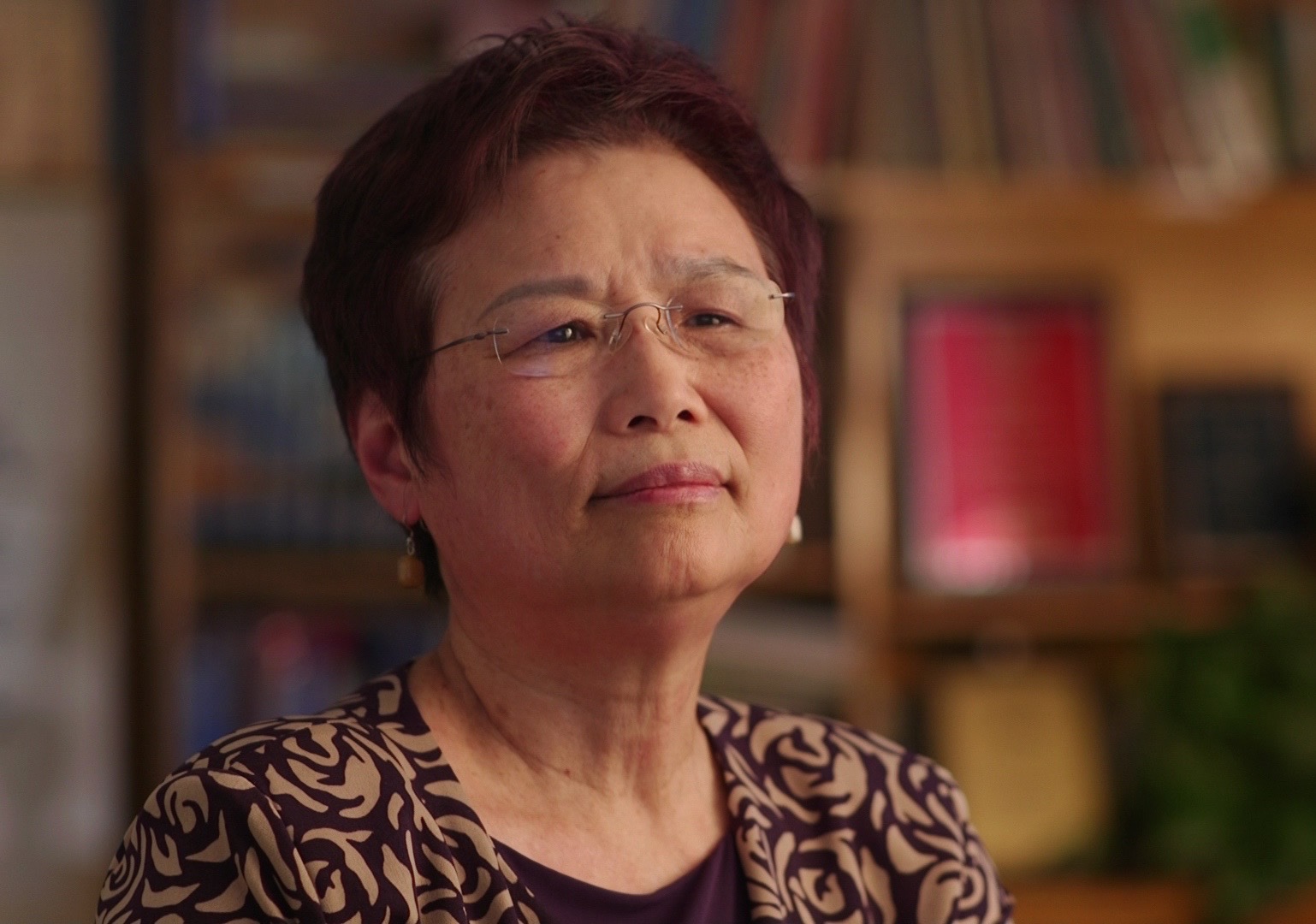
It was 1987 and I was a mother of two and a pastor’s wife living in my newly-adopted home - Queens, New York!
As a Chinese-American more comfortable speaking my native tongue than English, I watched a lot of American TV. I listened to a program that said women should do self-examination of their breasts, and I started to do that monthly.
One day, I noticed there is a lump, very small, just like a piece of rice. And it ended up, after the biopsy, that the lump was cancer. I was terrified - my children were just 9 and 10 years old and, not knowing anything about breast cancer, I thought this was a death sentence.
I went to library and, of course, in English there were many books on breast cancer, but nothing in Chinese. I was afraid to discuss my health with my Chinese friends. When you speak the word “cancer”, many Chinese think you are bringing him or her bad luck.
I went ahead with the surgery, then the chemotherapy, but the hardest thing for me was losing my hair. It felt like I was losing my life! I kept talking to myself, saying I want to do something if I get well. I don’t want anyone to go through what I am going through now. That was my 41st birthday.
I held informal cancer support groups for Chinese women in my home for a while. A year later, The American Cancer Society asked me to help launch the organization’s first Chinese unit. Cancer is the second leading cause of death for Asian-Americans, after heart disease, according to the federal government.

In the past decade, we have served more than 800 breast cancer patients and more than 2,000 cancer patients in Los Angeles. We now have cancer ministries in northern California, San Diego, Houston and New York.
After battling a second round of breast cancer, I dedicated my life to this. I laid aside my financial security to work for those whom I feel are underserved, to get their voices heard. In doing so, I found, to my surprise, that I have, in fact, made a living out of a dream. The women I sit with in my breast cancer support group feel they are not alone. They laugh. And they become good friends.
My experiences have taught me this lesson: It’s very important to use every minute of your life. Even though you are getting old, you can still be very useful. Every day when I see cancer patients at my center, how it changes their lives, how they get their hope. That is my vitamin.