


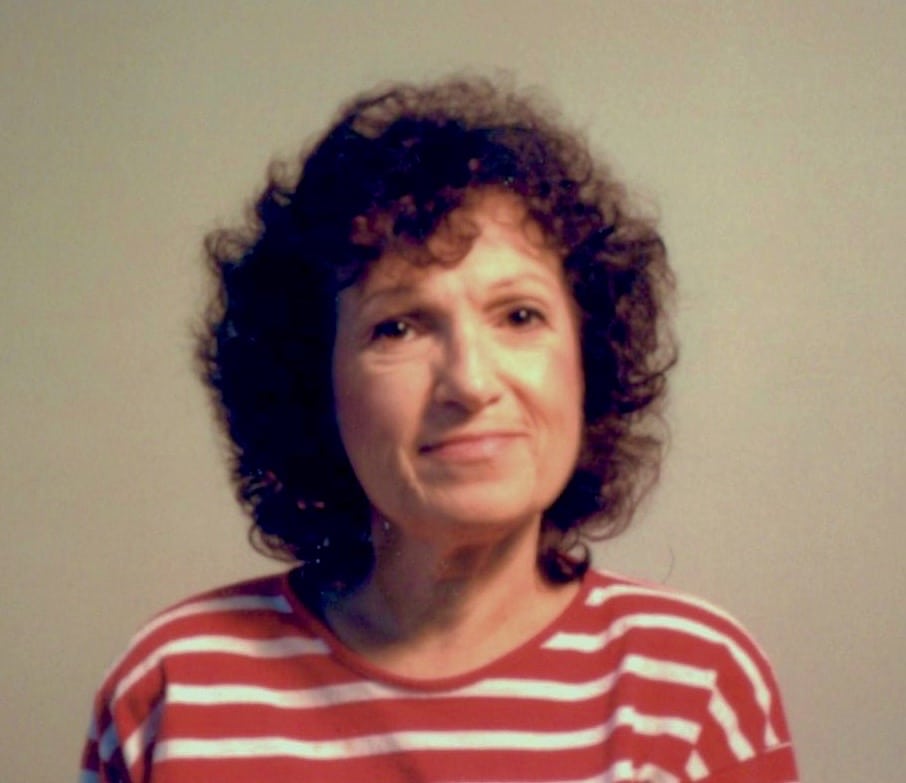
As an advocate, preventing homelessness of the frail elderly is high on my list.
Among the growing population of older adults living in poverty are people forced to grow old in the streets and in shelters, as well as elderly persons who have recently become homeless or who remain at constant risk of losing housing. The number of elderly homeless adults is expected to more than double between 2010 and 2050, when over 95,000 elderly persons are projected to be homeless.
I became involved with elderly homelessness when an elderly, widowed veteran, whom I knew, became a candidate for housing. He could no longer afford the cost of his assisted living facility, yet had too much money to qualify for Medicaid, at the same time not being able to afford to live in an apartment. He required some care but not enough for nursing home placement. And, he had no children.
Increased homelessness among elderly persons is largely the result of poverty and the declining availability of affordable housing among certain segments of the aging. Throughout the nation, there are at least nine seniors waiting for every occupied unit of affordable elderly housing with a waiting list often three to five years. Many older homeless persons are entitled to Social Security benefits, but after rent, only a few dollars remain for other expenses such as food, medicine, and health care. Some are unaware of their own eligibility for public assistance programs and face difficulties applying for and receiving benefits.
Several years ago while I was working in my chosen career as a fashion designer I became involved with my late parents care-giving. Realizing the tremendous savings of staying in one’s home with the proper care rather than being institutionalized in a nursing home, I proposed that the government allow the same funding to keep a person in his home as is given for nursing home placement. Congressman Alcee Hastings introduced my proposal to the U.S. House of Representatives in 2002 and, in 2010, it became part of the Affordable Care Act.
I continue to work with Congressman Hastings staff to help prevent homelessness among the elderly by providing enough low-income housing, income supports, and health care services to sustain independent living. For older adults who have already lost their homes, comprehensive outreach health and social services must become available, as well as access to existing public assistance programs, in order to stay secure and live their lives with dignity.
What I would like the world to know about older workers is that they contribute and strive to bring a wealth of experience, knowledge, compassion and passion to their chosen endeavors.