


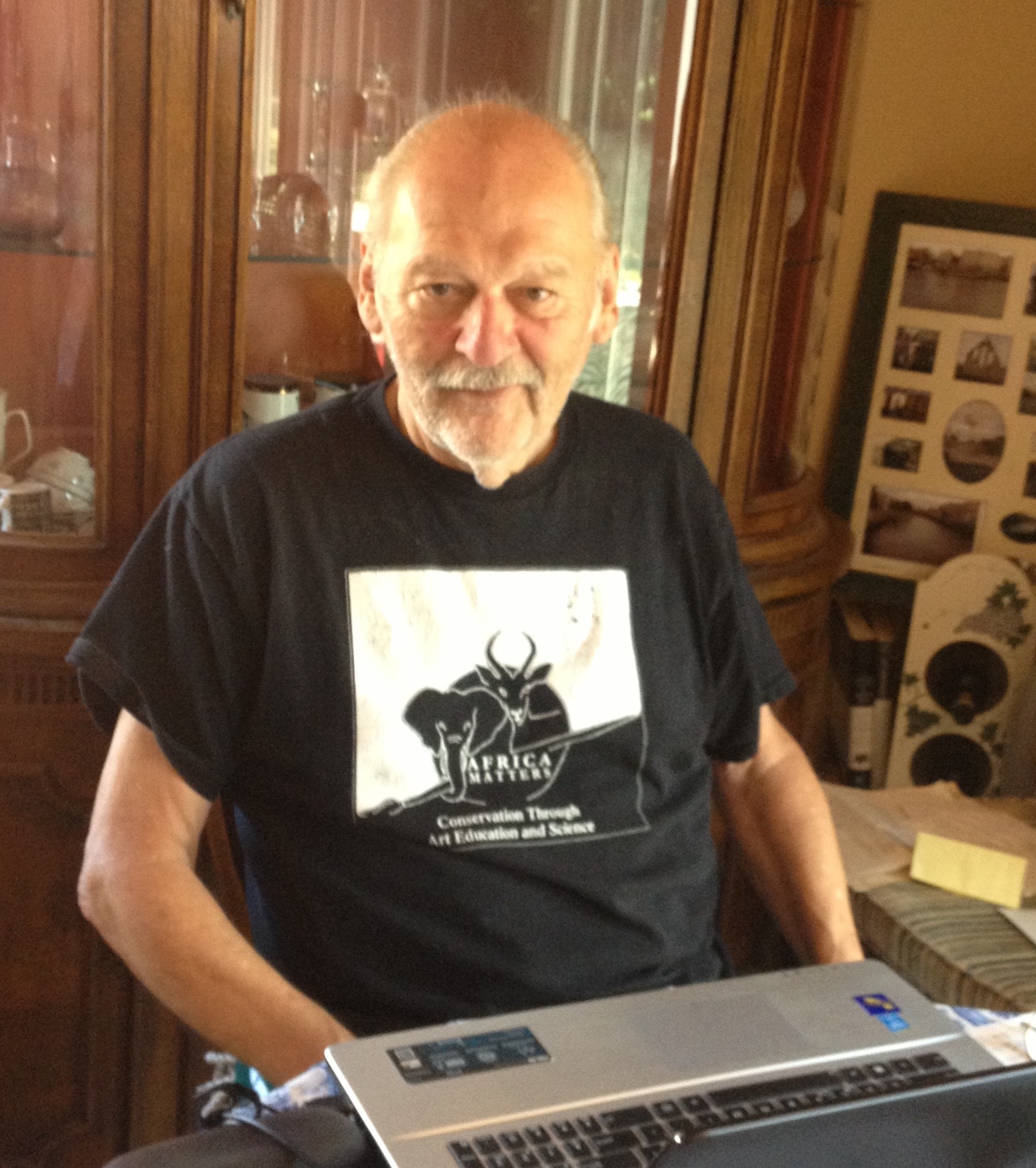
My basic professional field has been, for over 50 years now, community economic development. But for the past 2+ decades, I’ve added a new component, called “applied appropriate technology”, focused on alternatives for developing nations with a critical need for drinkable water, without reliance on toxic chemicals, chlorine or germicides/antibiotics.
As a young man just out of high school in June of 1950, I joined the Navy and spent the next 3.5 years on an aircraft carrier, helping to liberate South Korea from their northern neighbor invaders. During our ship’s port time in Japan, some of my shipmates used our free time to do more than “bar hop.” We visited schools, health facilities and leper colonies still damaged from WWII. We worked with teachers, students and patients to make their quarters safer and more comfortable. It became not a “charity” offering, but a joint venture.
That “planted the seeds” for my ultimate choices. Over my career years, I have been of developmental assistance to some more than 100 North and Central American native groups and some 100 nations on five continents. In my 80’s, I’m still fully engaged and planning to continue, as long as my health holds out and allows for travels to places of need.
One of the most impacting efforts of long years working in Africa came in the east central small nation of Malawi. There, farming practices by European agriculturists had depleted the growing ability of their soils. At the same time, on the major lake, residents were bothered by an Amazon-sourced floating plant, called water hyacinth, which interfered with their local fishermen. I was able to show them how they could “harvest” that plant and put it back into their worn soils as compost.
We can go through life in a couple ways: 1) Just ambling along, doing the minimum necessary to sustain ourselves and others dependent on us, and go, when we’ve had enough, into “retirement” stagnation; OR, we can consider life/living/doing for self and others as a constant challenge.
I find that those who follow the 2nd path develop much stronger “wills to live and do”, maximize their lifetime and are rewarded with a more satisfying “return on investment.” I put the word “retirement” out of my dictionary. Providing highly vulnerable infants with water that they willingly drink, and my other projects, are things that give me both satisfaction and motivation.