


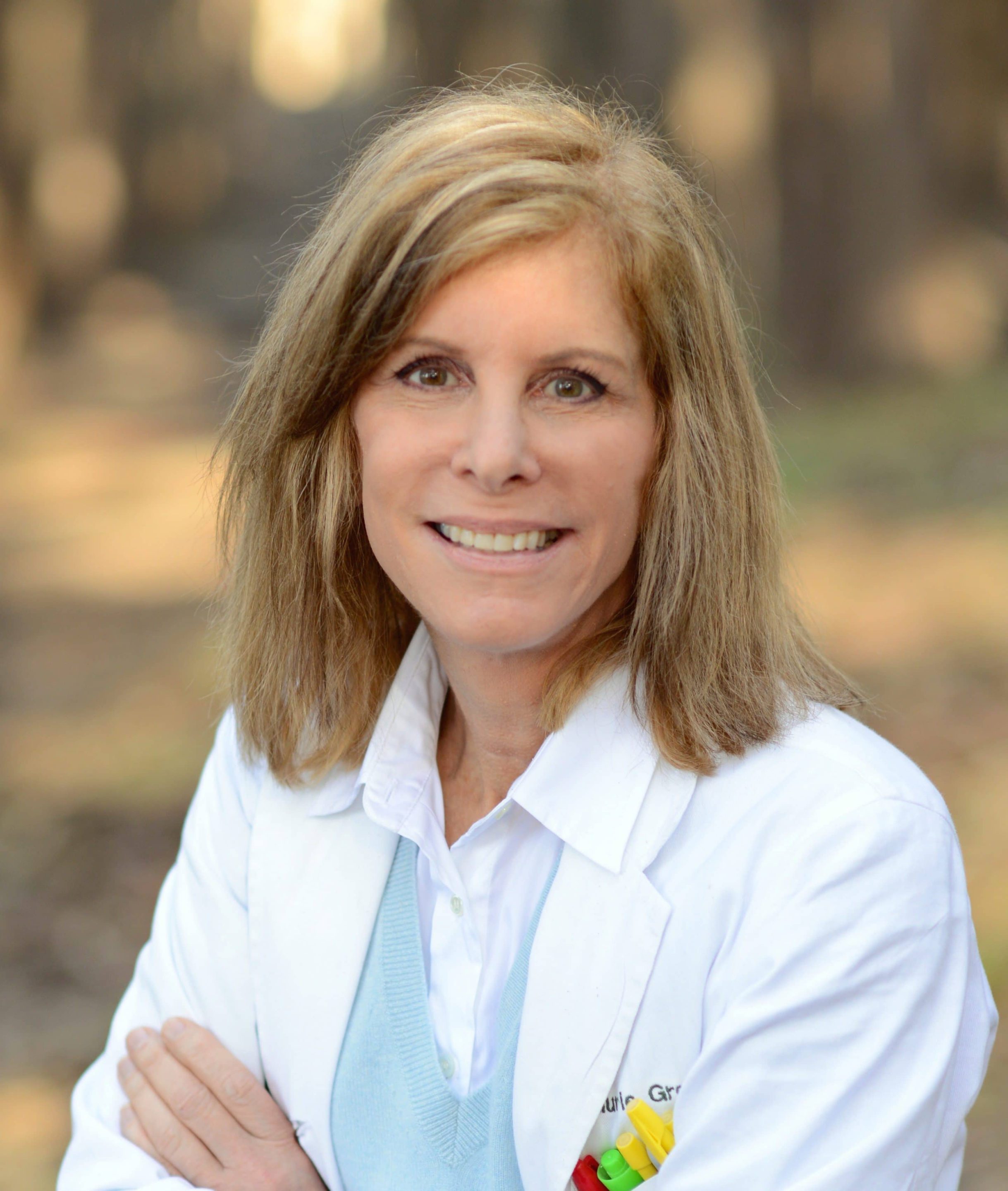
I’m an obstetrician and gynecologist in San Francisco and, at 66, I’m still delivering babies. But my “encore” project started when I was elected president of the Harvard Medical School Alumni Association. One of my first steps was to talk to as many alums as I could on a listening tour. Here’s what I heard.
Because of changes in the way medicine is practiced, a lot of doctors are no longer independent and big corporations are moving into medicine. Doctors from the “baby boomer” generation are nearing retirement age, with a sense that they were part of medicine in its glory days.
What really struck me as I talked with other doctors, many with illustrious careers, was that they were at loose ends. They wanted to remain active in retirement for many reasons. For one thing, you’ve been an integral part of a community. But once you’re out of the game, your relevance and sense of worth declines. For another, across the board, these doctors felt that they are at the peak of their expertise as they get into their late 50s and 60s, and yet, on retiring, there is no readymade place for them to direct their energies. It’s not like they can be “of counsel” as lawyers can.
I wanted to create a place where experienced doctors could remain relevant and connected, and share their knowledge. Looking at the new health care landscape, I knew there was a dire need.
As the Affordable Care Act has unfolded, more people have coverage, but lack good access to health care. Many folks, including undocumented individuals, end up at so-called “safety net” clinics, where the doctors are overworked, underpaid and there is a lack of expertise in specialties like cardiology and orthopedics.
Telemedicine seemed like the perfect solution. Advances in telehealth technology have been remarkable and for-profit companies are already exploiting them. Today, a patient can go online and find a physician 24-7, send her a picture of a rash and get a diagnosis.
But why not a nonprofit approach that addresses the escalating medical needs of vulnerable rural and urban citizens using semi-retired, newly retired and other doctors? That’s how The MAVEN Project was born.
We are creating a community of physicians with altruistic motives who may not want to go into remote regions with organizations such as Doctors Without Borders, but do want to contribute their expertise to the greater good for a few hours a week. Our goal is to build a national network of medical school alumni who, when connected through technology, can remotely provide medical services to underserved populations. We have solved traditional barriers such as malpractice insurance and have launched pilots in California and Massachusetts with 30 volunteer specialists in rheumatology, hematology, cardiology, endocrinology and gastroenterology.
I recently delivered the grandchild of one of my medical school professors. He’s nearing retirement and confessed that he’s not sure what he’s going do next. Hearing this man with his vast knowledge scratching his head about his future really resonated. Soon he and I, and scores of my colleagues, will need a second act.
Through The MAVEN Project, people I know and respect, who are now part of the fabric of a community, could be the fabric of a new community.